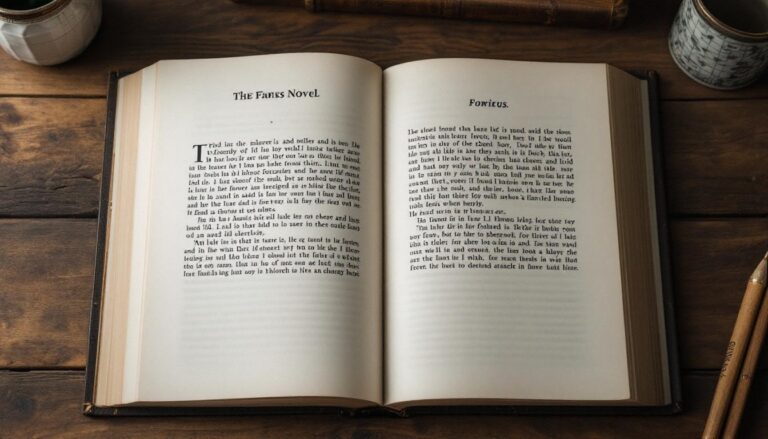

Have you ever flipped through the first page of a beloved novel, only to feel as though it might be hiding something tantalisingly close? It’s a curious notion that many first pages contain secret codes or hidden messages, turning the mundane act of reading into an interactive adventure. That’s right—some authors have sneakily embedded secret codes waiting for keen-eyed readers to uncover.
Discovering Hidden Messages in Literature
Imagine stumbling upon a website dedicated to revealing cryptic clues nestled within literary classics. Each word written by the author meticulously crafted not just for storytelling, but for thrilling little puzzles. If you’ve ever wondered what might lie beneath the surface of texts you thought you knew so well, you’re not alone!
Unlocking the First Pages
Let’s start by appreciating how the first page often sets the tone for the entire novel. But did you know it can also serve as a portal to a hidden world? Take a classic like “Pride and Prejudice”; the first page not only introduces Elizabeth Bennet but may also carry an encoded text that hints at her journey ahead. It’s a reader challenge, inviting scrutiny and analysis.
The Art of Book Ciphers
The concept of a book cipher is beautifully convoluted. Authors such as Dan Brown in “The Da Vinci Code” play with our expectations by incorporating simple numerology or the acrostic style—where the first letter of each line or paragraph reveals a new meaning or even a word! Imagine reading your favourite mystery with a newfound lens—every letter could be part of a thrilling cryptic clue waiting to be decoded.
Famous Novels with Enigmatic Beginnings
Is there a specific novel you hold dear? You might be surprised to discover that books like “Harry Potter” contain layered meanings from the very start. For instance, the cryptic nature of Tom Riddle’s name isn’t just for story’s sake; it sometimes requires a bit of text analysis that rewards those who dig deeper. Think of it as a whodunit wrapped up neatly in a few words.
Warning: the most emotionally intense day of the month for your sign
Reading Between the Lines
In the literary world, subtlety often reigns. Within “The Great Gatsby,” for example, Fitzgerald paints with colours and symbols that narrate deeper truths about ambition and social expectations. The hidden messages flow seamlessly within the prose, evolving it into a multi-dimensional experience. It keeps readers buzzing with excitement as they uncover meanings that transcend the written words.
Clever Author In-jokes
Sometimes characters even serve as vessels for the author’s own jokes. Stephen King’s universe often reappears, creating a tapestry of connections. It feels as though readers are privy to an inside joke between the author and their audience. Spotting these easter eggs feels delightfully rewarding, doesn’t it?
Symbols in Plain Sight
Have you ever thought of symbols in obscure novels? In “The Catcher in the Rye,” Holden Caulfield’s red hunting hat isn’t just fashion—it’s a metaphorical shield. Recognising these symbols can add layers to your reading experience, meshing together an understanding of characters and themes.
Why Secret Codes Intrigue Us
The allure of hidden messages taps into our innate curiosity. To uncover a hidden message or a secret code transforms reading into an adventure. The thrill lies not just in finishing the book, but in piecing together insights and enjoying the surprise of what lies beneath the surface.
So next time you open a book, especially the first page, approach it with a detective’s eye. Who knows what mysteries await? Perhaps there’s a coded message whispering for you to uncover it. Happy reading!