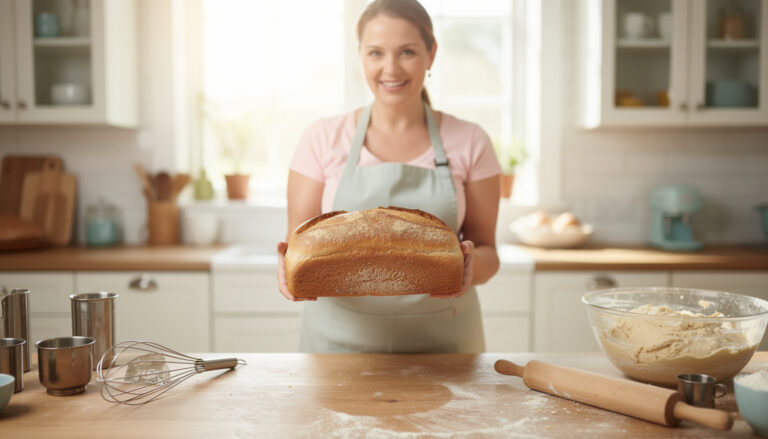

As the comforting aroma of freshly baked bread fills the kitchen, there’s an undeniable magic in the air. The golden crust, the soft interior, and the warm glow of the oven create an atmosphere that invites all to gather round, eager to taste what’s just been created. In this cozy setting, it’s easy to get lost in the charm of home baking, but there’s one critical step that can elevate an amateur loaf to bakery-level perfection — and it’s often overlooked.
Why the Autolyse Technique Makes All the Difference
The heart of great bread-making lies in understanding dough, and more importantly, how to treat it right. The secret ingredient to transforming your bread is the autolyse technique. This simple step involves mixing flour and water and letting it sit for 20 to 60 minutes before introducing yeast and salt. During this time, the flour absorbs the water, and gluten develops naturally, making kneading a breeze. Not only does it improve dough extensibility and flavour, but it also sets the stage for easy handling later on.
The Art of Fermentation
While the autolyse is essential, the next crucial phase is fermentation. This period allows yeast to work its wonders — producing CO2 that causes the dough to rise. Professional bakers often create a temperature map of their kitchens, focusing on the warmest spots for optimal fermentation. It’s a game changer. Imagine opening the oven door to a beautifully risen loaf, all thanks to thoughtful planning. So, make sure to give your batter the love and time it deserves!
Importance of Kneading
Kneading should never feel like a chore. It’s your chance to connect with the dough. By pushing and folding, you develop the gluten structure that gives bread its signature texture. Using a stand mixer might speed things up, but kneading by hand can allow for a deeper understanding of the dough’s behaviour. Plus, it’s therapeutic! So, channel your inner baker, put on some music, and enjoy that kneading session. You’ll find it becomes a delightful ritual that makes the entire process more engaging.
Mastering the Proofing Stage
After kneading, patience is key. Proofing is where the magic continues. This final rise before baking is essential for achieving that coveted bakery-quality crumb. Cover your dough with a damp cloth and find a warm place for it to relax — after all, bread needs its beauty sleep too! During proofing, pay attention to the texture; it should feel light and airy when it’s ready to go into the oven. And when the time comes, don’t forget to perform the ‘poke test’ — a gentle poke should leave an impression without springing back too quickly.
Turn leftover wine into something incredible — the one trick everyone is using this January
The Science of Baking
The temperature at which you bake is equally crucial. Preheating the oven ensures the bread rises quickly, leading to that delightful crust. If you want to replicate that professional touch, try placing a pan of boiling water in the oven to create steam. This little trick is a secret many bakers swear by; it delays crust development, allowing for maximum oven spring. Imagine the enjoyment of pulling out a loaf that looks and smells like it just came from a bakery!
Cool It Down
Lastly, don’t underestimate the cooling stage. Proper cooling can help maintain a crisp crust, while inadequate cooling can lead to a soggy loaf. The ideal cooling environment should be around 65-70°F, allowing air circulation. It’s tempting to slice into a warm loaf, but trust the process — waiting just a bit longer rewards you with the perfect texture.
So, whether you’re a seasoned baker or just getting started, remember that one simple step can set you apart from the average loaf. Embrace the autolyse, nurture your fermentation, and treat your dough like a work of art. With a sprinkle of patience and a dash of creativity, you’ll soon be enjoying artisan bread straight from your own kitchen.