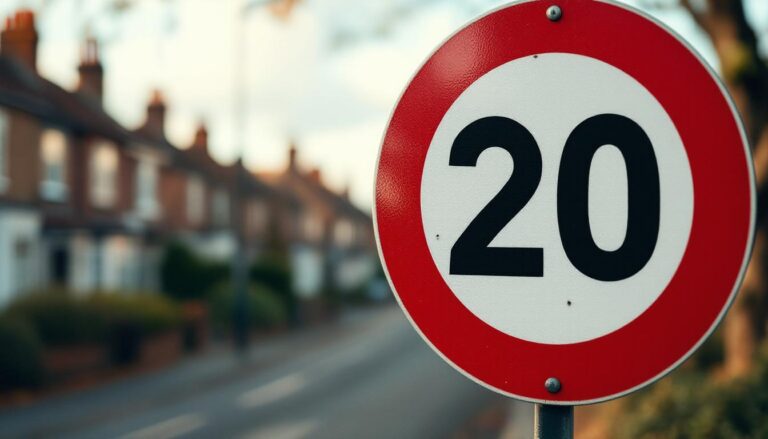

Changes Ahead: The 20mph Speed Limit Reversal
As the brisk chill of winter settles in, many of us are reflecting on our driving habits, especially in light of the evolving traffic regulations across the UK. It seems that just when we’ve all adjusted to the 20mph speed limit introduced in various areas, some UK regions are now poised to revert to the familiar 30mph standard. It’s such a fascinating twist in the ongoing discussion about road safety and local governance.
The Insights Toolkit
- Public Feedback Matters 💬: Extensive consultations have shown that over half of the responses called for changes to the limits.
- Cost of Implementation 💰: Changing speed limits is expensive, as local councils have to invest in signage and public awareness.
- Safety vs. Speed 🚦: A slight reduction in average speed can lead to significant decreases in accident frequency.
- Community Preferences 🏘️: Some regions have opted to maintain their new limits due to strong community support for safety initiatives.
Discoveries in local road policies often illuminate greater societal trends and concerns. It’s all interconnected!
The Winter Trend Everyone Tried This Year
This winter, many councils, particularly in Wales, are seeing a re-evaluation of the 20mph speed limits rolled out across urban areas. Powys County Council has reviewed its policies and is now looking to increase speed limits on several roads back to 30mph following heated public consultations that yielded 217 responses. The outcome? A mix of happiness and frustration with the speed limit rules… but isn’t that always the case?
Community Voices
In Newtown, Knighton, and Ystradgynlais, for instance, numerous residents urged the council to reconsider the lowered limits on more than 40 roads. This reflection on community engagement reveals how traffic regulations directly impact our daily lives. When locals feel their voices are heard, it fosters a greater acceptance of new policies, even if they are met initially with resistance.
The Cost of Traffic Regulations: What’s at Stake?
One of the key concerns in the conversation surrounding new speed rules is the financial burden associated with changing these limits. Not only do councils need to invest in updated signage, but they also need to ensure proper public education around these changes. This often leaves local government scrambling for budget allocations, which can divert funds from other essential services. It’s an intricate balancing act that showcases the complexities of UK transport policy.
If your iPhone is running slow, check this “hidden” storage setting now
How Councils Navigate the Minefield
Change doesn’t just happen overnight. For example, in Ystradgynlais, the industrial road Trawsffordd will be increased to 30mph, while Ithon Road in Llandrindod Wells sees minor alterations. But several prominent towns are keeping their 20mph limits due to strong local support for road safety improvements. This careful navigation of community desires and budget constraints reveals the realities of local governance.
Speed Limits and Safety: An Ongoing Balance
Research indicates that while many residents support these speed limit reversals, road safety advocates still argue passionately for the ongoing enforcement of 20mph limits in populated areas. The consensus among road safety professionals is that a reduction in speeds leads to significantly better outcomes for vulnerable road users, including pedestrians and cyclists. A reduction of just 1mph can decrease accident rates by 5%—an extraordinary statistic that emphasises why thoughtful traffic enforcement is crucial.
Final Thoughts on Speed Limit Trends
As the debate continues, the opportunities for communities to voice their opinions and shape local regulations are more accessible than ever. Whether you agree with the adjustments or not, it’s a perfect time to engage in these conversations. If local authorities are backtracking on speed limits, it’s worth taking a moment to reflect on how these road safety initiatives impact daily life.
Overall, navigating the realm of traffic regulations requires a delicate balance of safety, community feedback, and financial pragmatism. These are significant decisions that affect everyone on the road—drivers, cyclists, and pedestrians alike. So, let’s keep the conversation going and remain invested in discovering how best to ensure safety on our streets.