
Picture this: the warm glow of the kitchen lights, the comforting aroma of spices wafting through the air, and the sound of a knife rhythmically slicing through ingredients on a well-loved chopping board. It’s a scene that feels all too familiar for many of us who love to cook, but how often do we pause to think about how we care for this essential tool? The cleaning methods we use can significantly impact both food safety and our culinary experience.
Why You Should Care About Cutting Board Hygiene
Keeping your chopping board clean is not just about aesthetics; it’s crucial for maintaining a safe kitchen environment. A clean board prevents cross-contamination between foods—particularly raw meats and fresh produce, both of which can harbor harmful bacteria. If not cleaned properly, these bacteria can transfer, putting loved ones at risk. Moreover, a well-maintained board avoids unpleasant odors and stains, enhancing your cooking experience.
The Safer Cleaning Methods You Need to Know
It’s surprising how the right cleaning method can be the difference between safe and unsafe food preparation. Many don’t realize that conventional soap and water aren’t always enough. Here are some techniques tailored to different materials:
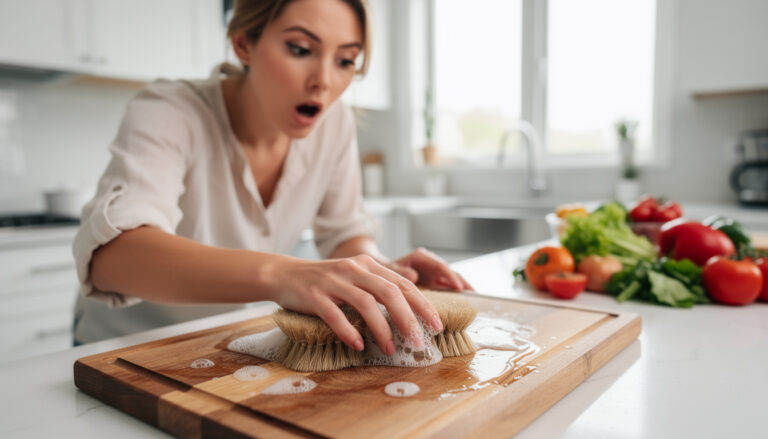
- Wooden Boards: Use warm, soapy water and scrub gently. Follow it up with a disinfectant like white vinegar or hydrogen peroxide to tackle any lingering bacteria. Remember, never soak them!
- Bamboo Boards: Similar care to wood but a bit more resilient. A simple wash and sanitizing with lemon and salt helps keep things fresh. Dry immediately to prevent warping.
- Plastic Boards: These are easy; they can handle a hot wash in the dishwasher! Add a bleach soak occasionally for deeper germ removal.
The Importance of Regular Maintenance
Think of your chopping board as an extension of your culinary prowess. If it’s not well cared for, it could become a silent danger in your kitchen. Regular maintenance involves more than just cleaning; it’s about conditioning wooden boards with mineral oil to prevent them from cracking. Replace plastic boards once they have deep grooves as these can harbor bacteria. Your kitchen deserves the best, after all!
Common Mistakes to Avoid
When it comes to maintaining your chopping board, even the most seasoned cook can slip up. Here are a few faux pas:
This innocent late-night snack could be wrecking your winter sleep — here’s the fix
- Leaving a board wet can lead to mold.
- Avoid using harsh chemicals that can damage wooden surfaces.
- Ditch the dishwasher for wood and bamboo—high heat can warp them.
By avoiding these slip-ups, you can breathe new life into your kitchen hygiene routines.
A Word on Sanitizing
It cannot be stressed enough—regular sanitizing is vital. Each time you prepare raw meat, give your board a thorough clean. You can even create a sanitizing solution with one part bleach to ten parts water or simply stick to natural alternatives like lemon juice or vinegar. Even a quick wipe can make a significant difference!
Embracing Safe Cleaning Practices
When it comes to a safe cleaning method, knowledge is power. Understanding the specific needs of your chopping board allows you to provide the right care it deserves. Each material has its quirks, but as long as you stay informed and consistent, you’ll elevate the cleanliness of your kitchen tremendously.
So, let’s embrace these tips and keep our kitchens safe and inviting. A clean chopping board not only enhances kitchen hygiene but also transforms the joy of cooking into an even more delightful experience.