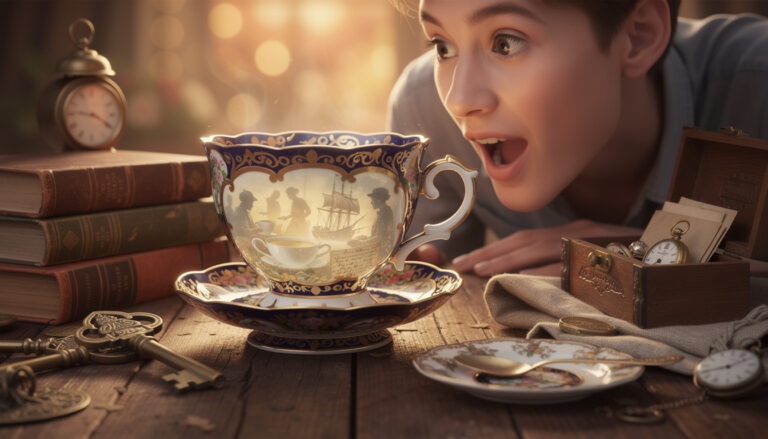

Have you ever paused to ponder the journey of the unassuming teacup resting in your hands while you enjoy a soothing cup of tea? The hidden history behind this humble vessel is a tapestry woven with tales of adventure, culture, and artistry. It’s a blend of ancient traditions and modern enjoyment, wrapped up in a ceramic cradle that has transcended time.
The Anatomy of a Teacup: More Than Just a Vessel
When it comes to appreciating teacups, one might think of them merely as decorative items or functional tools for sipping tea. However, each teacup is a vessel steeped in history and rich with cultural significance. Did you know that the earliest forms of these vessels date back to ancient civilizations? 🍵✨
The advent of teacups can be traced back to the Six Dynasties period in China (229–589 CE), where elegant celadon cup-and-stand sets started making their appearance. This was a significant shift as tea culture began to flourish. 🏺
Elegant Designs and Innovations
The beauty of teacups is also in their design. The Tang Dynasty (618–907 CE) marked a turning point where teacups were formally separated from other tableware. Gone were the days of using ordinary bowls; the teacup emerged as a dedicated vessel for enjoying the exquisite flavors of tea. This period introduced a variety of styles, from colored-glaze cups to the stunning marbled clay vessels. Each design reflected the tastes and values of the era. 🎨
In contemporary times, teacups are often adorned with elaborate decorations, each telling its own story. The journey of the teacup is also a reflection of the evolution of pottery and ceramics as an art form. Every teacup crafted embodies aspects of its time—be it through shape, glaze, or intricate decorations that express cultural values and aesthetics.
Tiny Detail About Your Rising Sign Explains Your Whole Vibe
Authenticating Antique Teacups: A Delicate Art
As teacups became collectibles, the need for authenticity grew. How does one distinguish a genuine antique teacup from a clever reproduction? This is where the fascinating world of semiotics—interpreting symbols within cultural artifacts—comes into play. 🔍
- Chronological Signs: Every era has its signature teacup style. For instance, the refined simplicity of Six Dynasties celadon cups or the grandeur of Tang Dynasty vessels present distinct markers for collectors.
- Material Symbols: Early teacups were primarily made from ceramics; however, materials ranged from glass to lacquer. The quality of the clay and the finesse of the glaze often indicate a piece’s authenticity.
- Form Symbols: The shape itself reveals much about a teacup. Unique designs, like those meant to showcase tea froth during competitions, embody practical functions aligned with cultural practices.
The Allure of Decorative Symbols
Many teacups feature decorations that pride themselves on cultural motifs. For example, the beautiful lotus representations found on some Southern Dynasties bowls symbolize grace and beauty. Analyzing these decorations offers insights into the values of the time and reinforces the teacup’s role as a medium of expression. 🌺
Curiosities Surrounding Antique Teacups
The world of teacup collecting is not devoid of intrigue or mystery. Antique markets are often riddled with imitations, and some of the most famous pieces often have layered histories behind them. One such fascinating example is the Ming Dynasty Chicken Cup—an iconic teacup notorious for its fakes! 🐓
To the untrained eye, these replicas might seem authentic, but subtle clues—the texture of the porcelain, the quality of the glaze, and the craftsmanship—can reveal the truth. Genuine pieces often exhibit a uniqueness that is hard to replicate. This fun, treasure-hunting aspect of teacup collecting adds another layer to the joy of tea traditions.
Turning Your Love for Teacups into Passion
For those intrigued by history and culture, diving into the realm of antique teacups can be an exciting adventure. Here are a few tips for aspiring collectors:
- Visit museums to gain exposure to authentic pieces. ✨
- Explore local antique shops or online marketplaces, keeping a keen eye for details. 🔎
- Engage with communities of collectors to share knowledge and insights. 🤝
The Continuity of Tea Culture
The evolution of teacups reflects broader tea traditions across cultures. Each cup encapsulates a glance of history, inviting us to embark on a journey through flavors, aromas, and cherished memories. Just as we savor each sip of tea, it’s fascinating to think about the stories these teacups have brought to life. 🍂
The narrative of the teacup is as unique as each sip of tea. The charming blend of art, history, and social practice invites us to hold onto our cups a little longer, seeing them not merely as vessels but as storytellers of a culture rich with tradition and mystery. 🌍